
Business Loan Interest Rates: Financing Growth at Affordable Costs
I remember needing about $75,000 a few years back to expand my workshop space; the sheer volume of paperwork felt like a second job, honestly. Getting a good business loan interest rate isn’t just about having a high credit score, although that helps tremendously; it’s about presenting a financial picture so clean and compelling that lenders practically beg you to take their money. You’re essentially haggling over pennies that quickly turn into thousands—or tens of thousands—over the life of a 5-year loan.
The absolute best rates, often hovering in the single digits or slightly above for prime borrowers, almost always come from traditional banks or credit unions. These institutions have lower overhead and are often happy to keep established businesses like mine in the fold. They usually want to see at least two years of solid operating history and robust cash flow projections proving you can easily cover the monthly payments plus the interest. Check out the current average SBA loan rates—they often anchor what the big banks are willing to offer.
My personal opinion? Don’t even bother with online lenders unless you have absolutely zero other options or need fast cash in under 48 hours. They prey on immediacy, offering speed in exchange for astronomical APR figures, sometimes hitting 30% or higher if you aren’t careful. I saw one client get approved for a quick $20,000 line of credit only to realize the required monthly interest-only payments were crippling their day-to-day purchasing power; they were effectively trapped.
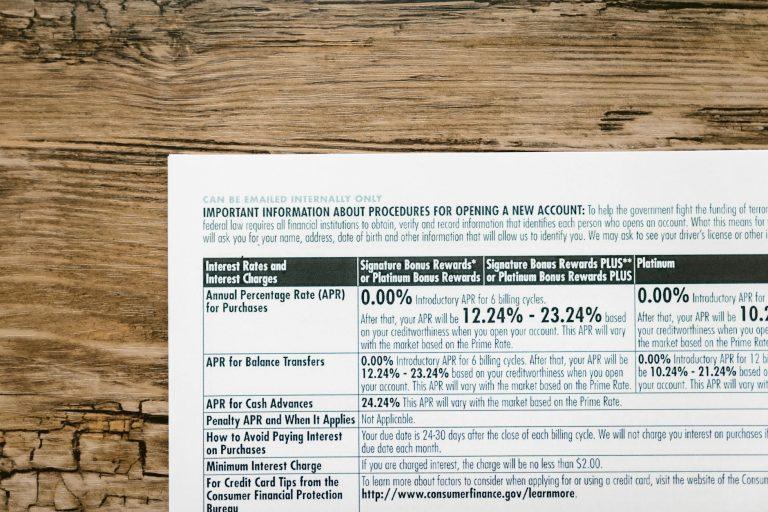
When you’re comparing offers, focus keenly on the Annual Percentage Rate (APR), not just the nominal interest rate. The APR includes all those sneaky fees—the origination fee, any closing costs, and sometimes even servicing charges—that inflate your true borrowing cost. A loan listed at 6% interest might actually be closer to 8% APR once all the mandatory upfront junk fees are factored in, which totally changes the calculus for a six-figure loan.
One frustrating reality of securing competitive commercial financing is collateral. If you’re buying equipment or real estate, that asset often serves as security, which makes sense, but many small businesses seeking working capital don’t have tons of readily marketable assets lying around. I had a serious moment of surprise when a regional bank insisted I personally guarantee a $50,000 equipment lease, even though my business had been profitable for over a decade; they just wanted that extra safety net, which felt a little insulting after all the hard work.
Don’t forget about the power of the SBA 7(a) loan program. While the paperwork is undeniably extensive—it feels like you’re auditing yourself for the government—the fact that the government guarantees a significant portion of the loan reduces the risk for the lender, allowing them to offer much more favorable terms, sometimes 1 to 1.5 percentage points lower than a standard conventional loan. For context on how these are structured, Investopedia has a decent breakdown of the SBA guarantee framework.
A major criticism, which genuinely drives me nuts, is how long the process takes, especially with banks. You might get pre-approved based on pro forma statements, but the actual due diligence and closing phase can drag on for 6 to 10 weeks. If your growth opportunity demands immediate investment—say, securing a bulk discount from a supplier that expires in 30 days—that bank timeline will cost you the opportunity, making the cheaper rate functionally useless.
If you have a solid business credit score (distinct from your personal FICO), leverage that aggressively. Building robust business credit through established reporting agencies like Dun & Bradstreet separates you from just being another owner with a good personal score. Many established vendors report payment history, and showing 100% on-time payments over two or three years can unlock significantly lower floating rates when you go to refinance or tap into a business line of credit, as detailed by Forbes reporting on business credit building.
Ultimately, understanding how different lending environments dictate different risk premiums is key, whether you’re looking at a Community Bank or exploring peer-to-peer lending options through platforms like Prosper Business Lending. The true cost of money varies wildly based on perceived vulnerability.
If you can somehow manage to avoid needing outside capital entirely, you’ve already won the most difficult financial marathon life throws at you.