How Lenders Really Determine Your Interest Rate
The banker just stared at my credit score flashing on his screen. I remember sitting there, feeling every minute drag by as he silently scrolled. You’d think getting a mortgage rate was a simple equation—good job plus low debt equals great rate—but it’s way more opaque than that. When people ask how lenders actually cook up that interest rate, they usually think it’s just about your FICO score, but that’s only the appetizer.
My personal experience tells me it’s a weird blend of algorithms, risk models built decades ago, and whatever the current mood of the market is. Seriously, I’ve seen two people with nearly identical credit profiles walk out of the same bank on the same day and get offered rates that were almost a quarter point apart. That difference might sound small, but over thirty years on a $400,000 loan, that’s heavy change.
Lenders are absolutely obsessed with what they call “The Five Cs of Credit,” though you rarely hear them talk about it anymore because everything’s digital now. You’ve still got Character (which is your credit history), Capacity (your ability to repay, usually measured by your Debt-to-Income ratio, or DTI), and Capital (how much skin you have in the game, like your down payment). Then they look at Collateral—in this case, the house itself—and finally Conditions, which is the terrifyingly general bucket for economic forecasts and what the Federal Reserve is doing.
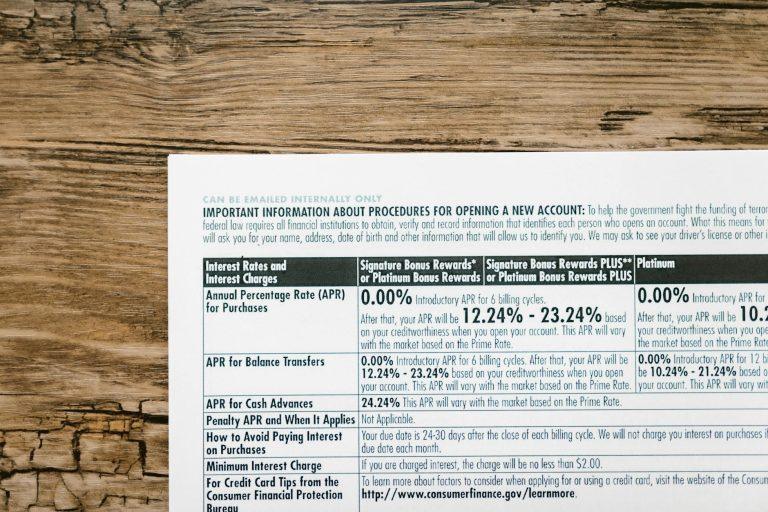
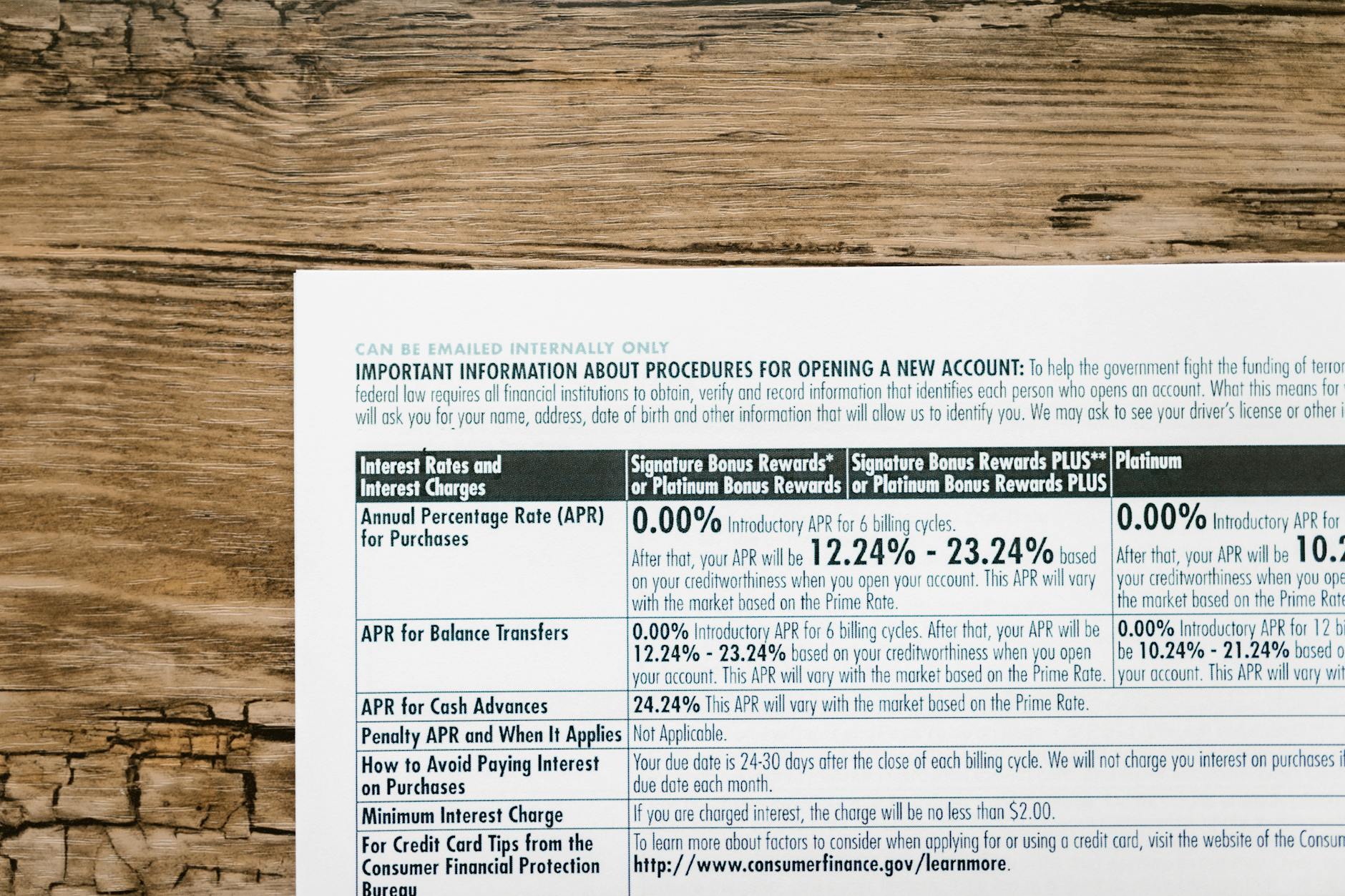
It’s genuinely frustrating how much weight the Loan Level Price Adjustments (LLPAs) carry. These are fees baked right into the rate structure based on risk factors the lender perceives. For instance, if you put down less than 20% on a conventional loan, bam, you pay a penalty because there isn’t enough equity shield for the bank if things go south. This is where the rubber meets the road, financially speaking; sites like Investopedia are great for detailing how these adjustments function mathematically, but they don’t capture the sheer randomness of when a lender decides to apply a little extra padding to your risk bucket during a slow lending season.
They also look intensely at your job stability, which is something many first-time buyers overlook. If you made a career switch recently, even if you’re earning $15,000 more now, that transition often triggers a pause or a higher tier in their automated underwriting systems. They prefer seeing two years of consistent employment in the same field, which is a tough box to check for recent graduates or entrepreneurs. I recall one client who was a genius software developer but had worked for startups for three years; the big bank underwriters treated him like a high-school summer employee until his third W-2 showed up.
The Loan-to-Value (LTV) ratio is foundational. If your LTV is high—say, you’re borrowing 95% of the home’s appraised value—you are automatically priced higher than someone grabbing a 70% LTV. It’s not negotiable; it’s baked into the pricing engine because statistically, the chances of default jump significantly when the borrower has less personal investment tied up in the asset. You simply can’t argue with the data modeling they rely upon, even if you feel like you’re the exception to the rule; they don’t price to exceptions, they price to massive historical pools of data, which you can learn more about over at the Consumer Financial Protection Bureau.
Here’s the real kicker, and this is where I get annoyed: your credit mix matters disproportionately to the actual risk you pose. Having a small personal loan balance alongside your perfect mortgage application can penalize you slightly compared to someone who only has mortgages and credit cards, even if your total debt load is lower. Why? Because the algorithm sometimes flags revolving credit as riskier than installment debt, which strikes me as utterly backward given the current economic climate, but the models haven’t caught up yet.
The single biggest limitation is that your rate is often a snapshot, not a promise, until the papers are officially signed. You can get a gorgeous loan estimate on Tuesday, but if the 10-year Treasury yield spikes by 20 basis points by Thursday afternoon, your lender might legally adjust that rate upward before closing, especially if you didn’t pay to lock the rate. That fluctuation is entirely determined by global bond markets, which is utterly divorced from your personal financial responsibility, yet it directly dictates how much you pay every month.
Ultimately, while strong credit scores (think 760 and above) get you access to the best theoretical rates, the fine print of LLPAs and the bank’s internal hedges mean you’re always negotiating against a complex machine. You’re better off having a slightly lower score with a huge down payment than having a perfect 820 with 5% down if you’re trying to snag the lowest possible monthly payment.