
FHA Mortgage Rates: Affordable Home Financing for First-Time Buyers
Buying your first house feels like trying to catch a greased pig in a mud pit—it’s messy, stressful, and you’re never quite sure if you grabbed the right end. When you hear about mortgage rates, it often seems like the conventional loans are the only game in town, demanding a huge down payment and squeaky-clean credit scores near 800 or higher. That’s where the FHA loan sneaks in as a lifeline for folks who don’t have 20% saved up.
I remember when my cousin tried to buy a duplex in Phoenix a few years back. He had decent income, but his credit history was spotty from some student loan bumps—nothing terrible, maybe a 640 score. He was staring down the barrel of needing a conventional loan with Private Mortgage Insurance (PMI) that would cost him a fortune every month, or waiting three years to save up for that 20% down. Then he found out about the Federal Housing Administration program.
The huge draw with an FHA mortgage is the low barrier to entry, specifically the down payment requirement. Instead of needing that daunting 20%, you can often secure financing with as little as 3.5% down if your credit score sits above 580. If your score dips slightly lower, say in the 500-579 range, you might still qualify, but they’ll expect a larger down payment, usually 10%. It really changes the math for people buying their starter home or condo, letting them put capital into needed repairs instead of draining their savings account just to get the key.
However, you can’t just look at that low down payment percentage and assume it’s free sailing. Here’s the big catch that always makes me raise an eyebrow: Mortgage Insurance Premium (MIP). With a conventional loan, if you put down less than 20%, you pay PMI, which usually drops off once you hit 20% equity. FHA MIP, though? It’s often sticking around for the entire life of the loan if you only put down that low 3.5%. That’s a serious downside that people often miss until they read the fine print closing costs disclosure. You pay that MIP whether your house value skyrockets or just ticks along—a real bummer if you plan on moving in seven years.
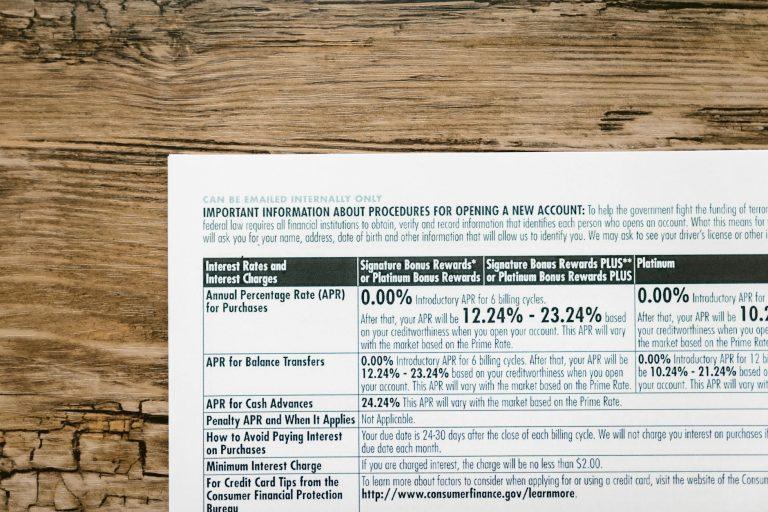
The interest rates on FHA loans sometimes run a little higher than the best conventional rates you see advertised in places like a Forbes article about current banking trends. You’re essentially trading a lower upfront cash requirement for a slightly higher long-term cost, though the difference in the base interest rate compared to a conventional loan with a similar down payment can sometimes be negligible. It’s a calculated risk assessment based on where you are financially right now versus where you might be down the road.
What surprises me sometimes is how many lenders still act like FHA loans are some kind of punishment. They push harder for conventional products because, frankly, they often service those loans differently or see less servicing risk. When my friend was shopping around, one loan officer spent almost twenty minutes trying to convince him he absolutely had to get a conventional loan, avoiding the FHA option until my friend asked directly about the 3.5% requirement. It was awkward; the officer clearly preferred dealing with the ‘easier’ paperwork path, even though FHA guidelines are pretty established via the HUD website.
Another thing to ponder is how FHA loan limits vary by county. You can’t just walk into a bank in downtown Manhattan and expect the same borrowing ceiling as someone in rural Nebraska for an FHA-insured mortgage. These limits refresh annually and are based on local home value statistics calculated by the Department of Housing and Urban Development (HUD). It’s designed to cap how much government insurance backs, ensuring the program remains solvent and doesn’t subsidize multi-million dollar mansions which should definitely be handled through jumbo loan products, according to Investopedia’s breakdown of loan types.
If your credit is currently sitting in the 620s, an FHA loan might actually offer you a better deal than a conventional loan would, even factoring in the lifelong MIP. Banks are often less forgiving with their conventional underwriting when your score is hovering just above that threshold, making the FHA’s underwriting flexibility a major positive. It’s designed to expand credit access, not just reward the already wealthy.
Ultimately, the FHA loan is a fantastic tool for people needing that initial foothold, provided they understand the MIP repayment schedule. Just realize you’re not getting a handout; you’re using a government-backed insurance product to mitigate lender risk during a risky phase of homeownership acquisition, but you’re paying a premium for that safety net the whole time. I suspect that most people who utilize the FHA program end up paying off the loan much faster than the 30-year term anyway, defeating the purpose of the lifelong MIP—but that’s just my cynical take on modern debt management strategies found over at NerdWallet.