
I Paid Off My Car Loan Early: Was It Really Worth It?
Man, I remember the day I finally sent that last check for my car loan. It was a modest $19,000 loan left, and I chipped away at it for three years before finally crushing it six months ahead of schedule. I felt like I’d won the lottery, minus the actual cash prize.
A common question people ask me when they find out I did this is: Was it financially sound to pay off that 2019 Honda CR-V early? That’s where things get tricky because the answer isn’t a clean yes or no; it depends entirely on your interest rate and your risk tolerance. My rate was hovering around 4.5%, which, honestly, isn’t the end of the world these days, especially compared to the 7% or 8% rates folks are seeing now.
I had some friends who were absolutely militant about paying off their debt immediately, no matter what. They argued that eliminating the guaranteed return of avoiding interest payments is mathematically superior to chasing the market, which is never guaranteed. They pointed to the concept of opportunity cost—money trapped paying off cheap debt isn’t earning returns elsewhere.
When I looked at my brokerage account growth during that period, I saw annualized returns averaging closer to 9% over those three years. If you’re earning 9% and paying 4.5%, you’re netting a positive spread, roughly 4.5% difference, just by keeping the money invested instead of hammering the lender. That was the big mental hurdle for me; accepting that paying off the low-interest debt meant potentially missing out on higher investment gains. You can see why some financial pros suggest prioritizing high-interest debt like credit cards (often over 20% APR) before even thinking about an auto loan.
The surprising thing was the sheer psychological weight that monthly payment carried. Even though the effective math favored investing, cutting that $450 bill out of my monthly budget felt like instantly getting a raise. It freed up cash flow that I immediately redirected into retirement accounts and taxable brokerage accounts, which felt much more satisfying than sending it to the bank.
Here’s the real criticism, the thing everyone glosses over: paying down debt early absolutely kills your emergency buffer, at least temporarily. When I was aggressively attacking that principal, I was funneling extra cash there instead of beefing up my savings account. If my transmission had decided to fail unexpectedly—which, let’s be honest, it could have at 110,000 miles—I would have been forced to finance the repair or pull money out of investments at a bad time. That lack of liquidity stressed me out immensely until I rebuilt the cash reserves.
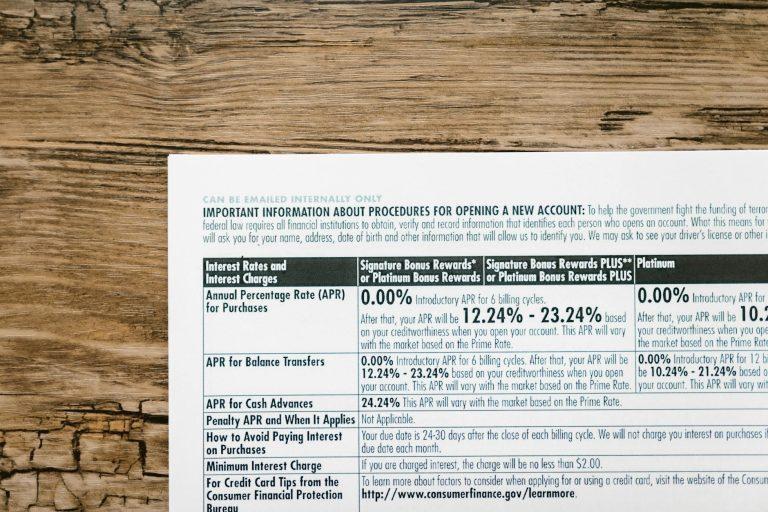
You’ve got to check your loan documentation very carefully, too. Some agreements are sneaky. While most modern auto loans are simple interest and don’t penalize you for early or extra payments, some older or specialized financing deals might have prepayment penalties. I checked mine from Capital One thrice just to be absolutely sure I wouldn’t get hit with some hidden fee just for being too efficient. According to Investopedia’s breakdown of debt repayment strategies, understanding those fine print clauses is paramount before accelerating payments.
It’s all about the peace of mind, which, frankly, you can’t put a number on. Knowing I owned that piece of metal outright, free and clear, meant I could treat it however I wanted without worrying about depreciating an asset I owed money on; perhaps I’d keep it longer, or maybe I’d just drive it until the wheels fell off, as detailed in this Forbes article on managing automobile depreciation. For me, the psychological win outweighed the slight mathematical edge I probably gave up by not maximizing stock market exposure.
I realize some people have debt-aversion syndrome so deep they can’t sleep if they owe anyone anything, regardless of the interest rate. If that’s you, just pay it off. Seriously, the reduced stress is its own form of return.
Yet, I suspect most people who pay off their car loan early secretly just wanted a bigger down payment on their next car.