Why I Stopped Using Personal Loans to Cover Emergencies
Honestly, I got fed up with the whole personal loan for emergencies thing. It felt like I was just juggling debt, and every time something unexpected popped up, my stomach would clench. My neighbor, bless her heart, had to take out a personal loan to fix her air conditioner last summer. She was pretty stressed about it, and seeing her go through that made me rethink my own approach. She eventually got it fixed, but that monthly payment, on top of everything else, was a constant worry.
I used to think personal loans were a solid way to handle a surprise car repair or a sudden medical bill. If my basement flooded, like some friends of mine experienced a couple of years ago, my first thought would have been to hop online and see what loan offers I could get. The interest rates on some of these unsecured loans seemed manageable at first glance, especially when you’re in a panic and need cash now. You can often get approval within a day or two, which is incredibly convenient when you’re facing a deadline.
The real kicker, though, is how quickly those interest payments can pile up. What seems like a reasonable monthly payment for a $5,000 loan can end up costing you hundreds, even thousands, in interest over the life of the loan. I once took out a personal loan for about $7,000 to cover a series of unexpected vet bills for my dog. It felt like a lifesaver at the time, but looking back, the amount of interest I paid was frankly insane. I think I ended up paying closer to $9,000 by the time it was all said and done. It was a tough pill to swallow.
My biggest frustration is that personal loans can create a false sense of security. You get the money, you solve the immediate problem, and then you just sort of… forget about the underlying debt until the bills start rolling in. It’s like putting a band-aid on a much bigger problem. Instead of building an emergency fund, I was just taking out more debt. It feels incredibly short-sighted now, knowing I could have been putting that money aside. I’ve seen people get caught in a cycle, taking out one personal loan to pay off another, and that’s a really scary place to be.
After my vet bill experience, I decided enough was enough. I started aggressively building my emergency fund. This meant cutting back on a lot of things I considered discretionary spending for a while. Eating out less, cutting the cord on a streaming service I barely used, and really scrutinizing every subscription box I had. It wasn’t fun, but the peace of mind knowing I had cash readily available for true emergencies was worth its weight in gold. I aimed to have at least three to six months of living expenses saved up, a common recommendation from financial experts like those at NerdWallet.
Now, if something truly unexpected happens, like a job loss or a major home repair, I can tap into my savings without incurring debt and a new monthly payment. It’s a completely different feeling. For instance, when my washing machine decided to give up the ghost last month, I just wrote a check from my savings account. No stress, no frantic calls for loan pre-approvals, no worrying about credit score impacts. It felt liberating. I think a lot of people underestimate the psychological burden of carrying loan debt, even for seemingly necessary expenses.
One significant downside to relying on personal loans is the impact on your credit score. Every time you apply for a new loan, it results in a hard inquiry, which can slightly lower your score. If you’re constantly taking out new loans, especially with high utilization on your credit cards to bridge gaps, your score can take a serious hit. This means in the future, when you might genuinely need credit for something important like a mortgage or a car loan, you could be facing higher interest rates or even outright rejection. According to Investopedia, multiple hard inquiries in a short period can signal to lenders that you’re a riskier borrower.
I also started exploring high-yield savings accounts to make my emergency fund grow a little faster. It’s not going to make you rich, but earning a few extra bucks a month in interest on money you’re not planning to spend anyway feels like a win. Some accounts are offering rates that are surprisingly competitive, much better than the old savings accounts we all grew up with. You can find some good options by looking at resources like Forbes’s best high-yield savings accounts. It’s a small step, but it contributes to the overall goal of financial resilience.
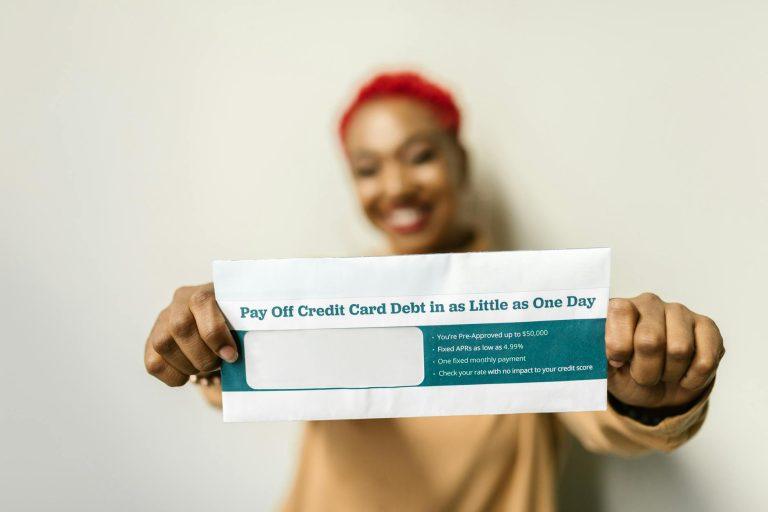
Ultimately, while personal loans might seem like a quick fix, they often create more problems than they solve for emergency situations. Building a solid emergency fund is undoubtedly the superior strategy, even if it requires some upfront sacrifice. It’s not glamorous, and it certainly doesn’t have the instant gratification of getting a lump sum of cash, but the long-term benefits are undeniable. It’s just a shame that the marketing for these loans often overshadows the very real financial pitfall they represent.