
Promotional Bank Rates: Limited-Time Offers That Boost Your Savings Fast
That feeling when you see a bank rate advertised that’s way higher than your current savings account is addictive. I remember watching my local credit union dangle a 5.00% APY special on a six-month CD a couple of years back, and I almost signed up instantly, despite hating the thought of locking my money away. It’s like hitting the lottery, but the prize is just a temporary, slightly less depressing interest payment.
Generally, these limited-time promotional rates are bait. They’re specifically designed to draw in new money, usually in the form of promotional savings accounts or, more often, promotional Certificates of Deposit (CDs). You’ll often see these advertised around New Year’s or right after the Federal Reserve makes a big move, forcing established brick-and-mortar banks to compete for deposits.
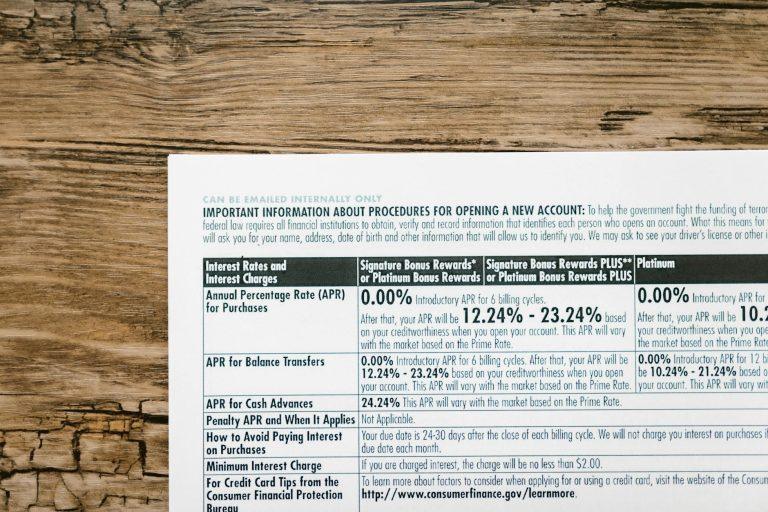
You gotta check the fine print on these deals, seriously. A lot of these super-high rates—say, anything pushing above 4.50% APY right now—are only available if you are bringing over new money that hasn’t been sitting with the bank in any form for the last 90 days. If you just move money from your checking account across the lobby, they often won’t give you the promotional yield. I’ve seen online banks offer introductory rates as high as 5.50% APY for the first $10,000 for three months, but after that introductory period, that rate plummets down to practically nothing, maybe 0.10% APY.
The biggest hurdle with these promos isn’t finding them; it’s recognizing the trap that follows. You chase the high APY for the short term, like getting that sweet 18-month CD at 5.15%, but suddenly the term ends. What happens next is the financial equivalent of being ghosted. Your cash automatically rolls over into whatever the bank’s current, probably abysmal, standard savings rate is, which could be as low as 0.05%. You have to be disciplined enough to actually pull the money out and reinvest it somewhere else before that transition happens.
I truly despise how many banks make you jump through hoops just to get an extra couple of percentage points on your cash. It shouldn’t be this hard to earn reasonable interest on savings, especially when inflation is running rampant, eating away at your purchasing power faster than you can accrue interest. Seriously, if you’re making less than 4% APY on your emergency fund right now, you’re losing money to inflation, according to many analyses of consumer spending habits.
The best places to find truly competitive promotional rates tend to be online-only banks or credit unions. They have way lower overhead, so they can afford to offer aggressive Annual Percentage Yields (APYs) to attract digital customers. Think about Ally Bank or Marcus by Goldman Sachs; they often lead the charge with competitive rates that don’t require you to open a separate checking account there—you just funnel the cash in via an ACH transfer. Check out what the FDIC has to say about deposit insurance, regardless of where you park that cash, because that coverage is vital protection for your principal.
Now, here’s a real criticism that drives me nuts: rate hopping. This means you’re constantly moving your money every time a promotional period ends. While you maximize your yield this way, it takes time to research, open new accounts, manage beneficiary designations, and track down the required minimum deposit to trigger the best offer—it can easily eat up five to ten hours over the course of a year just managing the transfers and paperwork for maybe an extra $200 in interest. For professionals earning a decent wage, that time trade-off often isn’t worth the minuscule gain, which is why I just stick to the top three online banks for my core savings now and stopped hopping around totally. You can review the safety of these institutions over at the Federal Deposit Insurance Corporation website.
Most great promotions don’t last longer than six to twelve months. If you see a rate posted on a financial blog, check the bank’s official site; if the post is more than three months old, the offer is probably already gone or has been significantly reduced, which is a major frustration when you’re trying to compare options efficiently. If you focus too much on chasing the absolute highest advertised rate instead of settling for a consistently good one, you’ll end up with decision paralysis and keep your money sitting in a zero-interest checking account instead, missing out entirely.
If you’re a new customer, sometimes you can get a bonus cash giveaway just for opening the account and setting up direct deposit, separate from the APY. These sign-up bonuses can sometimes be worth $100 to $300, but they usually come with an expectation that the [balance requirement] stays deposited for at least six months to a year. But hey, sometimes the best financial move is just not paying attention to your savings at all.