Rate Forecast 2026: Expert Predictions on Where Interest Rates Are Heading
I remember back in 2021 when everyone thought rates were going to stay near zero forever; people were mortgaging houses they frankly couldn’t afford because the monthly payment looked like pocket change. That carefree attitude evaporated fast when the Fed started hiking everything in sight. Now, looking toward 2026, the crystal ball is fogged up, but we can certainly try to see some shapes through the mist regarding interest rate forecasts.
A few hundred basis points feels like nothing when you’re looking at spreadsheets, but when you’re sitting across the table from someone having to refinance their five-year CD or their adjustable-rate mortgage, those percent changes translate directly into financial pain or relief, and that’s what we’re really talking about here.
My personal take is that the days of ultra-low, zombie rates—you know, the 2% mortgages—are probably behind us for a long, long time, maybe even permanently shaken out of the system by the recent inflation spike. We’re likely heading toward something more historically normal, maybe settling in the 4% to 5% range for the Fed Funds Rate by 2026, assuming a soft landing where the economy cools down but doesn’t completely crash. You can check out the historical context of Fed policy on the official Federal Reserve website to see how wild the recent swings have been.
The biggest wildcard threatening that relatively stable forecast is, surprisingly, global supply chain rigidity, not just domestic demand. I was genuinely shocked when I saw reports showing that microchip lead times, which everyone thought were normalizing post-COVID, were actually extending again in certain key sectors last quarter. That stuck supply keeps pushing up the price of everything from your new Ford truck to the equipment needed to build new apartments, delaying the arrival of supply that would naturally lower prices.
If that rigidity persists, we could be looking at the FOMC keeping rates higher for longer—think 5.5% or higher—which would be a huge drag on heavily leveraged industries like tech startups relying on easy venture capital money.
One major limitation in making any concrete prediction for 2026 accuracy involves understanding the political element mixed into the Federal Reserve’s decision-making process, even though they strive for independence. While Chair Powell insists decisions are purely data-driven, elections matter, and markets react strongly to political shifts. For instance, if a new administration signals massive infrastructure spending, that inherent fiscal stimulus automatically forces the Fed’s hand to tighten policy to offset inflationary public spending, regardless of current unemployment figures. Investing analysts over at NerdWallet suggest watching treasury yield curves for hints, as they often react to these perceived political pressures well in advance.
We’ve already seen what happens when the market misprices the cost of borrowing; remember the regional bank scares earlier this year? Those shaky institutions were sitting on bond portfolios that instantly lost massive value when rates zipped up from 1% to over 4% in basically 18 months. That kind of asset-liability mismatch is a ticking time bomb institutions must now price into their models for the next few years.
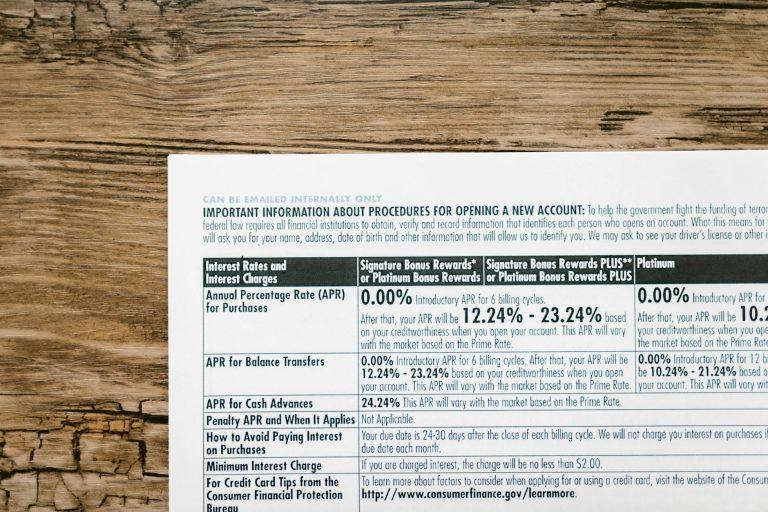
It’s frustrating because while the target Fed Funds Rate is the headline number, what really matters to the average person is the Prime Rate or what banks charge each other, since that trickles down to your credit card APRs and home equity lines of credit (HELOCs). Real-time tracking shows that Prime Rate generally follows the Fed target with about a three-quarter-point buffer on the high side, which is a painful spread.
Predicting the 2026 situation requires a deep look at the labor market, specifically wage growth; if workers keep commanding raises above the general inflation rate, the Fed simply won’t feel comfortable cutting rates, no matter how much the housing market screams for relief. Most serious economists I follow, like those contributing to analyses on Investopedia, seem fairly convinced that unemployment needs to tick up toward 5% from its current low point—maybe closer to 4.5%—before any sustained easing trend can really begin.
Ultimately, while everyone is hoping for a quick return to 3% mortgage rates by the end of 2025, the reality is that maintaining financial stability in a high-debt global environment likely necessitates a multi-year period of elevated borrowing costs acting as a necessary disciplinary force. Perhaps the biggest takeaway is that we should stop treating interest rates like some bizarre temporary malfunction that needs immediate fixing and start accepting them as the actual price of money again.