
Rate Negotiation Tips: How to Secure Lower APRs and Higher Yields from Banks
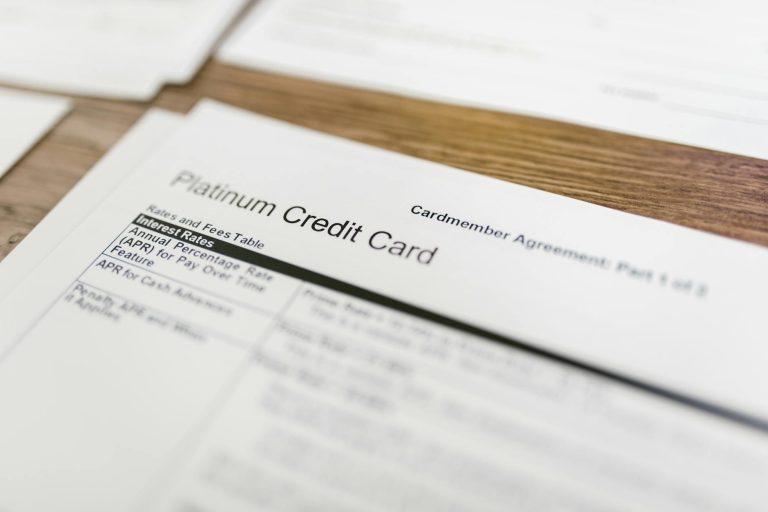
I remember calling up my credit card company after realizing I was paying almost 19% APR. It felt criminal, honestly. I’d treated the initial low introductory rate like it was the real deal, only to get hit with that massive jump right when I needed breathing room.
The biggest mistake people make is assuming the rate they are offered, whether it’s for a loan or the return they get on their savings, is fixed in stone. It absolutely isn’t. Banks and lenders have entire departments dedicated to haggling because they expect you to try. When I finally bit the bullet and just asked to speak to someone in the retention department—that’s key, retention, not general customer service—I got a much better reception. They immediately dropped my annual percentage rate by nearly 3 full points just because I threatened to move my six-figure mortgage elsewhere.
When negotiating a lower interest rate on debt, timing is everything. If you’ve been a perfectly good customer—paying on time for at least eighteen months, maybe two years—you have leverage. Think about it from their side, they don’t want to lose a reliable revenue stream. A good starting point for debt negotiation is asking for a reduction of at least 20% off your current rate; you might be surprised how easily they meet you halfway, maybe landing at a 15.5% APR instead of that painful 19%. For more detailed strategies on dealing with debt rates, Investopedia talks a lot about the mechanics of credit score impacts.
But negotiating yields on savings accounts is a completely different beast. It infuriates me how little interest my high-yield savings account was paying last year, hovering around 0.50% APY while inflation was soaring past 7%! That’s effectively losing purchasing power every single month. You have to be aggressive here, especially concerning money market accounts or Certificates of Deposit (CDs).
For investment yields, your best bet isn’t haggling with your existing brick-and-mortar bank; they simply aren’t competitive. You need to look online. Competitors like Ally Bank or Marcus by Goldman Sachs consistently offer yields that are multiples higher, sometimes hitting 4.5% to 5.0% APY right now, depending on the market conditions. You have to switch providers if your current bank is only playing with pennies.
I genuinely believe that if you aren’t actively checking competing savings account yields every six months, you are leaving hundreds, maybe thousands, of dollars on the table annually. It’s lazy personal finance, and frankly, banks count on that inertia.
One massive limitation when trying to negotiate is when you are applying for a new loan, like a car loan or a mortgage. At that point, the haggling generally revolves around the fees—like the origination fee or the closing costs—rather than the published APR itself, unless you have an absolutely stellar FICO score hovering in the high 700s. They have set loan tiers, and if you don’t fit the top tier numerically, they won’t budge much on the advertised rate. The best leverage there is walking into the dealership or mortgage broker’s office with a pre-approved rate from a credit union, often showing them you have a better offer ready to go. NerdWallet often publishes breakdowns of what different credit score tiers qualify for regarding average loan rates.
The biggest frustration I ever had was trying to negotiate the yield on an old bank CD that was maturing. I called up, I had competitors’ rates ready, and the manager just stonewalled me, saying their policy was strict for existing small-balance customers. They acted like earning an extra one percent was going to bankrupt the entire institution. Shockingly, after three calls over two days, I finally got them to match a rate quoted by a regional bank, but it took more effort than refinancing my house.
When dealing with secured loans, like taking out a home equity line of credit (HELOC), your ability to negotiate the margin rate above the prime index depends heavily on the current lending environment and the overall perceived risk of your local real estate market. If home values are plunging locally, expect zero wiggle room. Check the Federal Reserve’s published Federal Funds Rate history because that directly influences the Prime Rate that almost all variable rate products are based on.
You might find better short-term negotiation power by asking for incentives instead of direct rate cuts—think waived annual fees on premium credit cards or a small cash bonus just for opening a new checking account with at least a $2,000 deposit. It feels like a meager trade-off, but sometimes that’s the only lever you have left with an overly rigid institution.
Ultimately, whether you’re trimming debt or optimizing savings, remember that every banking interaction is a business transaction, and their goal is maximum profit, not your financial comfort.